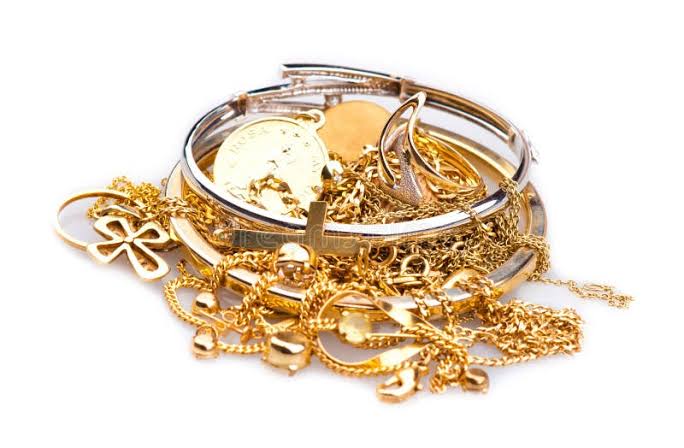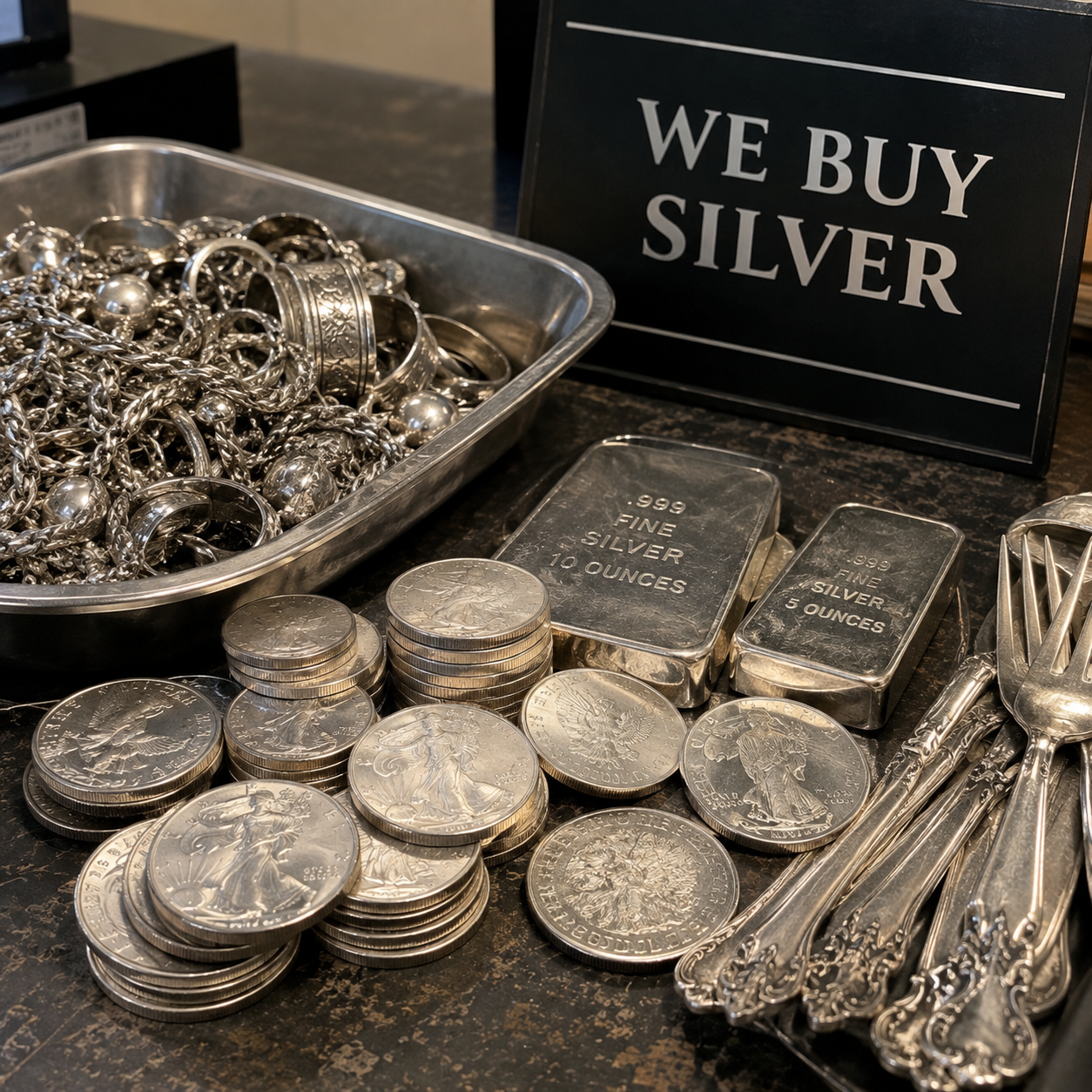
Old flatware in a wooden chest. A tea set from a grandparent. A tangle of rings and bracelets. If you've got any of these lying around, you've probably wondered: is this real silver, and is it worth anything?
The short answer: real sterling silver is always worth something, because it's valued by weight. But a lot of "silver" out there is actually silver plated, which is worth very little. Here's how to tell the difference and what your silver is really worth.
Sterling silver is 92.5% pure silver mixed with 7.5% other metal, usually copper, for strength. That's why it's often stamped 925. It's the standard for quality American and British silverware and jewelry.
You may also run into coin silver (about 90% silver), common in older American spoons from the 1800s, and 800 silver (80%), common in European pieces.
Check the back of spoon handles, the bottom of bowls and trays, and the inside of rings or clasps. Real silver is usually marked:
These stamps usually mean the piece is plated, with only a thin coating of silver over cheaper metal:
A famous brand name alone doesn't mean sterling. Many well-known makers produced both sterling and silver plate lines.
Silver isn't magnetic. If a strong magnet sticks to your piece, it's not solid silver. (If it doesn't stick, that's a good sign, but not proof on its own.)
On older plated pieces, the silver often wears off on edges and high spots, showing a yellowish or coppery metal underneath. Solid sterling looks the same all the way through.
The only way to know for sure is a professional test. A precious metals buyer can use acid testing or an electronic tester, or melt it to get an exact reading.
This is where a lot of sellers get surprised. Some sterling items are not solid silver all the way through:
These pieces are still worth money, but a fair buyer will pay for the actual silver content, not the total weight. Be cautious of anyone who quotes you a price for weighted items without explaining this.
Sterling is valued by weight, based on the daily silver price. Here's the simple formula:
Silver price per ounce ÷ 31.1 × 0.925 × weight in grams = melt value
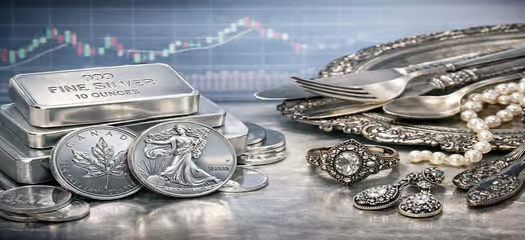
Silver recently pulled back to around $48–$50 an ounce, its lowest level in about a year. That's still well above where it was two years ago, when silver traded near $30.
Example at $48 an ounce:
Keep in mind, buyers pay a percentage of melt value. Always ask how your offer was calculated.
Sometimes. Pieces by famous makers like Tiffany or Georg Jensen, rare patterns, or antique items can be worth more as collectibles. But most everyday sterling, like flatware, broken jewelry, and dented pieces, sells best for its silver weight. If you're not sure, get it looked at before you sell.
The Melting Bar on Philadelphia's Jewelers Row buys sterling flatware, hollowware, jewelry, coin silver, and scrap of all kinds, including weighted pieces and silver-handled knives. We separate the silver properly, melt in-house, and pay you for what's actually there.
Not sure if your silver is real? Bring it in or contact The Melting Bar for a free evaluation.